Magnesium: why “200 mg” on a label is not 200 mg of magnesium
Minerals are taken as a compound, and only part of that weight is the mineral itself. The difference between compound weight and elemental weight can be tenfold.
September 1, 2026
Magnesium does not sit in a capsule on its own. It is bound to a carrier — glycinate, citrate, oxide — and what goes on the label is the weight of the whole compound. Only part of that is magnesium.
Two different numbers
“Magnesium glycinate 200 mg” means 200 milligrams of the compound. If “11% magnesium” appears beside it, that tells you how much of those 200 mg is the element itself: 22 mg.
Both numbers describe the same thing in the pack, but they are not interchangeable. One is the weight of a raw material, the other the weight of a mineral.
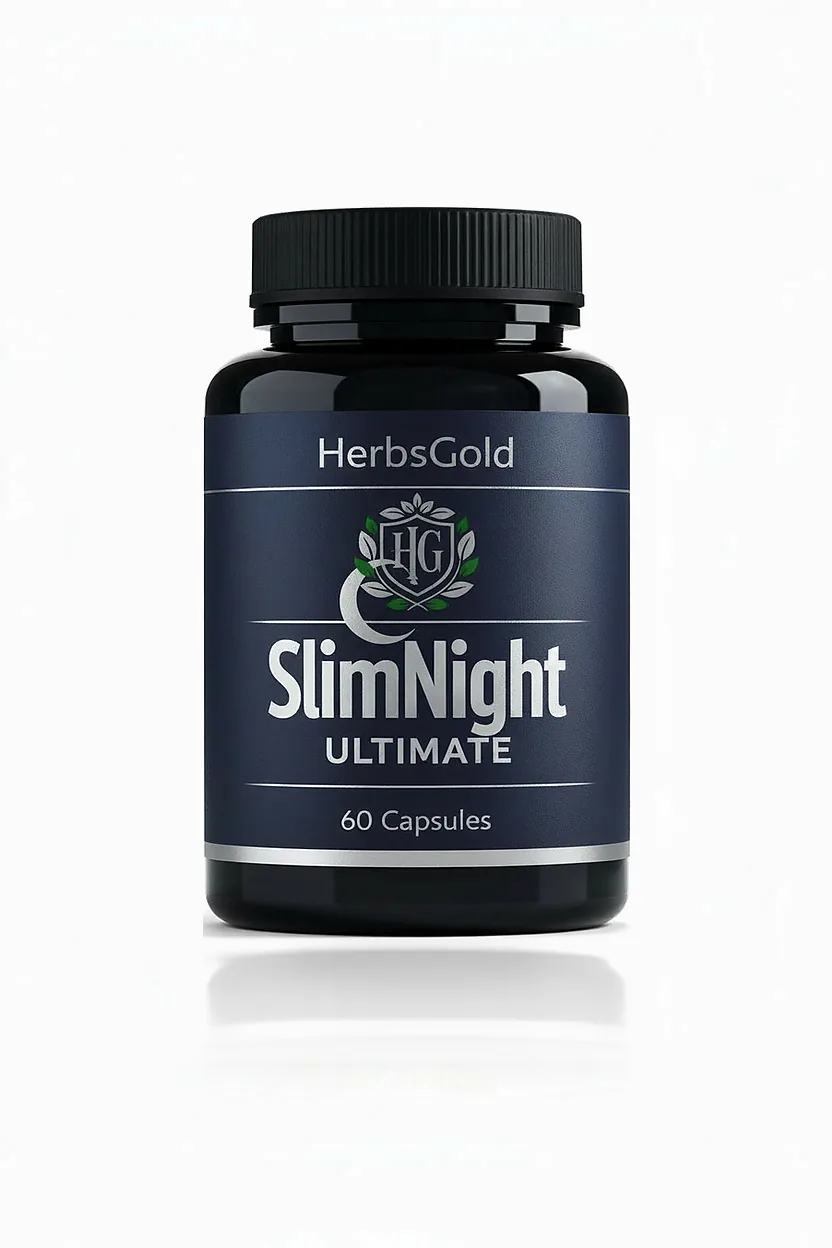
The figures in SlimNight
SlimNight contains 200 mg of magnesium glycinate per daily dose of 2 capsules, standardised to 11% magnesium. That is 22 mg of elemental magnesium.
The EU daily reference intake for magnesium is 375 mg. Twenty-two milligrams of 375 is 6% — and 6% NRV is exactly what the product page states.
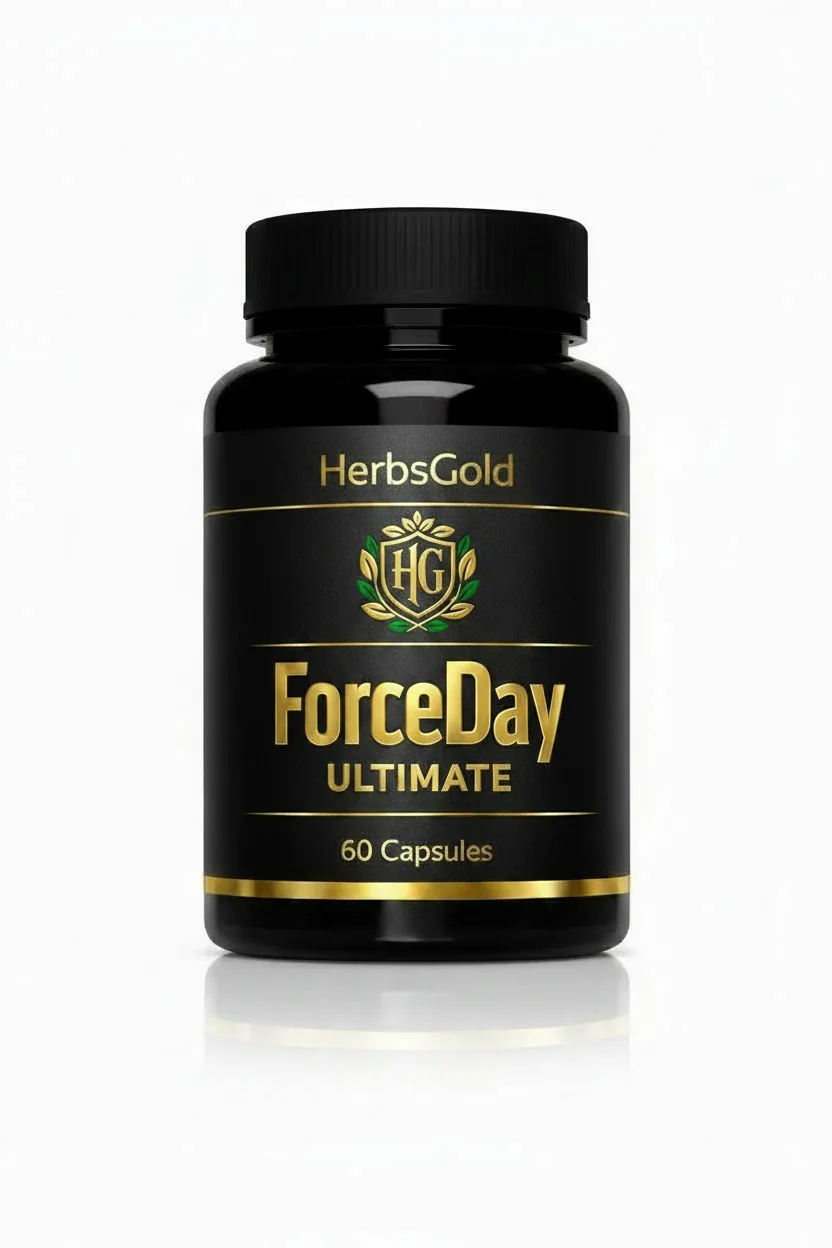
ForceDay contains 45 mg of the same compound per daily dose of 3 capsules, so roughly 5 mg of elemental magnesium.
Why the percentage is often missing
Different forms carry different proportions of magnesium. Oxide is high in it; chelated forms such as glycinate are lower, because an amino acid is attached to the mineral and that amino acid has weight too.
A product printing only “magnesium oxide 400 mg” is not lying. But without the percentage, or without a separate line for elemental magnesium, a buyer cannot compare two packs — and the difference between them can be several-fold.
What to look for on a label
- which form it is — glycinate, bisglycinate, citrate, oxide, malate
- the compound weight in milligrams for the recommended daily dose
- the percentage of elemental mineral, or a separate line giving the magnesium itself
- the percentage of the daily reference intake (NRV)
If there is only one figure and it is not clear which of the two it refers to, comparison with another product is not possible.
What the number does not say
Composition describes what is in the pack. It is not a statement of effect — food supplements do not treat or prevent disease; they complement a varied diet rather than replacing it.