Maca 100:1: what an extract ratio actually means
A ratio and a percentage are two different numbers. “100:1” says how much raw material went in, not how much active compound came out — which is why it cannot be compared with a percentage.
September 1, 2026
An extract label may carry a percentage — “10% withanolides” — or a ratio, written as “4:1”, “10:1”, “100:1”. The two answer different questions and do not translate into one another.
What a ratio counts
A ratio describes concentration. “100:1” means a hundred parts of raw material were used to produce one part of extract.
A percentage describes the composition of the finished extract — how much of it is the specific marker compound.
So the ratio speaks about the input, the percentage about the output. A product with a high ratio but no declared percentage does not say what it actually contains. A product with a percentage but no ratio says precisely the thing that matters.
The figures in ForceDay
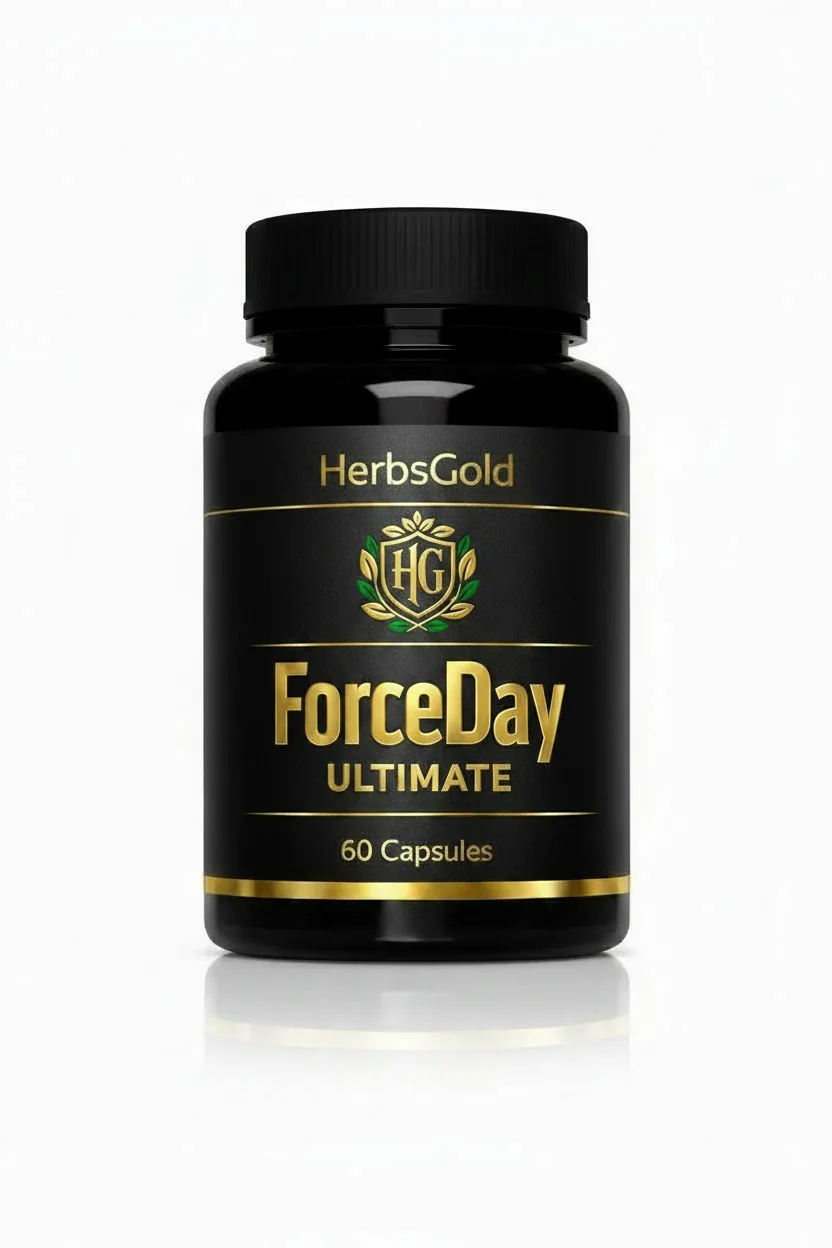
ForceDay contains 300 mg of maca extract (Lepidium meyenii) at a 100:1 ratio, per recommended daily dose of 3 capsules.
A hundred to one at 300 mg corresponds to roughly 30 grams of raw root. That is an amount hard to take as powder in capsule form.
By comparison, maca is also sold as raw powder — a 1:1 ratio — and as extracts at ratios such as 4:1 or 10:1.
Why maca is usually sold as powder
The roots are dried and milled, and that is enough to have a product to sell. Concentrating to 100:1 requires a separate extraction process and far more raw material per gram of finished goods, which costs more.
That makes the ratio worth looking for: it is one of the few ways to compare two products carrying the same weight on the label.
What to look for on a label
- the Latin name Lepidium meyenii and which part of the plant was used
- the extract weight in milligrams for the recommended daily dose
- the ratio, if it is an extract — 4:1, 10:1, 100:1
- whether it says “extract” at all, or is milled root
If neither a ratio nor a percentage is given, weight alone does not allow comparison.
What the ratio does not say
A ratio describes how the raw material was made. It is not a statement of effect — food supplements do not treat or prevent disease; they complement a varied diet rather than replacing it.