Reishi: fruiting body or mycelium — and why the percentage depends on the answer
With mushrooms there are two different raw materials under one name. Which of them was used changes what a polysaccharide percentage on the label actually means.
September 1, 2026
“Reishi” on a label can mean two different things. The mushroom has a fruiting body — what we recognise as a mushroom — and a mycelium, the network of threads growing through the substrate beneath it.
The two raw materials
The fruiting body is harvested, dried and extracted. The mycelium is grown in a controlled environment, most often on a grain substrate — rice or oats.
Separating mycelium from its substrate is difficult and expensive, so material made with the grain still in is common enough to watch for. The finished material contains both fungal matter and residual starch from the grain.
Why this changes what the percentage means
Here is the practical part. Starch is a polysaccharide.
If a product is standardised on “polysaccharides” alone, the grain substrate counts towards that percentage too. A high figure can therefore come from the oats rather than from the mushroom.
Triterpenoids do not occur in grain. Standardising against both markers is correspondingly harder to achieve with substrate left in the material.
The figures in SlimNight
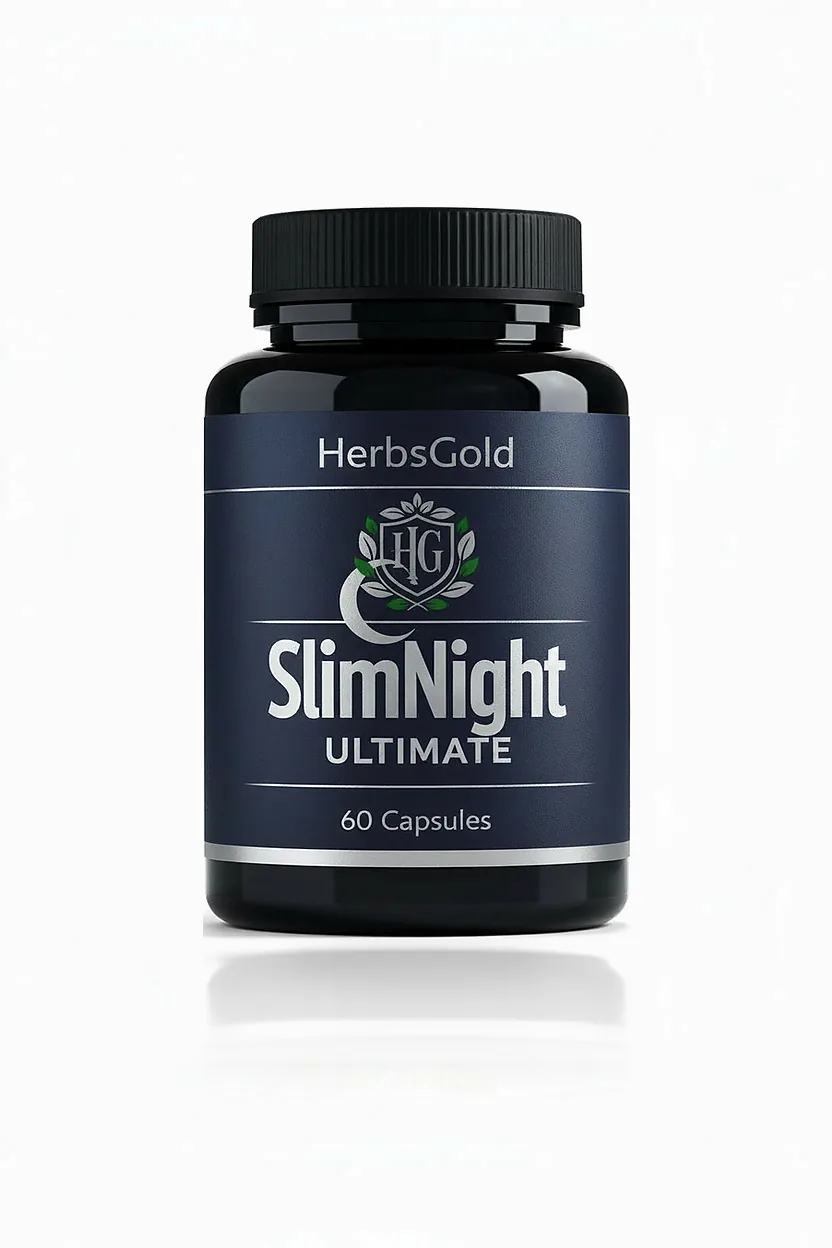
SlimNight contains 50 mg of reishi fruiting-body extract (Ganoderma lucidum) per daily dose of 2 capsules. It is dual-standardised: 10% triterpenoids and 50% polysaccharides.
At 50 mg that is 5 mg of triterpenoids and 25 mg of polysaccharides.
What to look for on a label
- the Latin name Ganoderma lucidum
- which part was used — fruiting body or mycelium
- whether it says “on grain substrate”, “mycelium on grain” or similar
- what the extract is standardised to — polysaccharides only, or triterpenoids as well
If the plant part is not stated, it is not clear which of the two materials you bought.
What this does not say
These differences describe a raw material and a method of measurement. They are not a statement of effect — food supplements do not treat or prevent disease; they complement a varied diet rather than replacing it.