Vitamin B12: which form the label names
B12 is permitted in several chemical forms. The micrograms on a label do not say which one is in the capsule — but the form is usually printed in brackets beside the name.
September 1, 2026
“Vitamin B12 — 2.5 µg (100% NRV)” is complete and correct information about quantity. It does not, however, say which of the permitted chemical forms was used, and there are several.
Which forms are permitted
Directive 2002/46/EC lists in Annex II the substances that may be used as vitamin sources in food supplements. For B12 that list includes cyanocobalamin, methylcobalamin, hydroxocobalamin and adenosylcobalamin.
All four are lawful sources of B12. A label usually prints them in brackets after the vitamin's name.
The figures in ForceDay
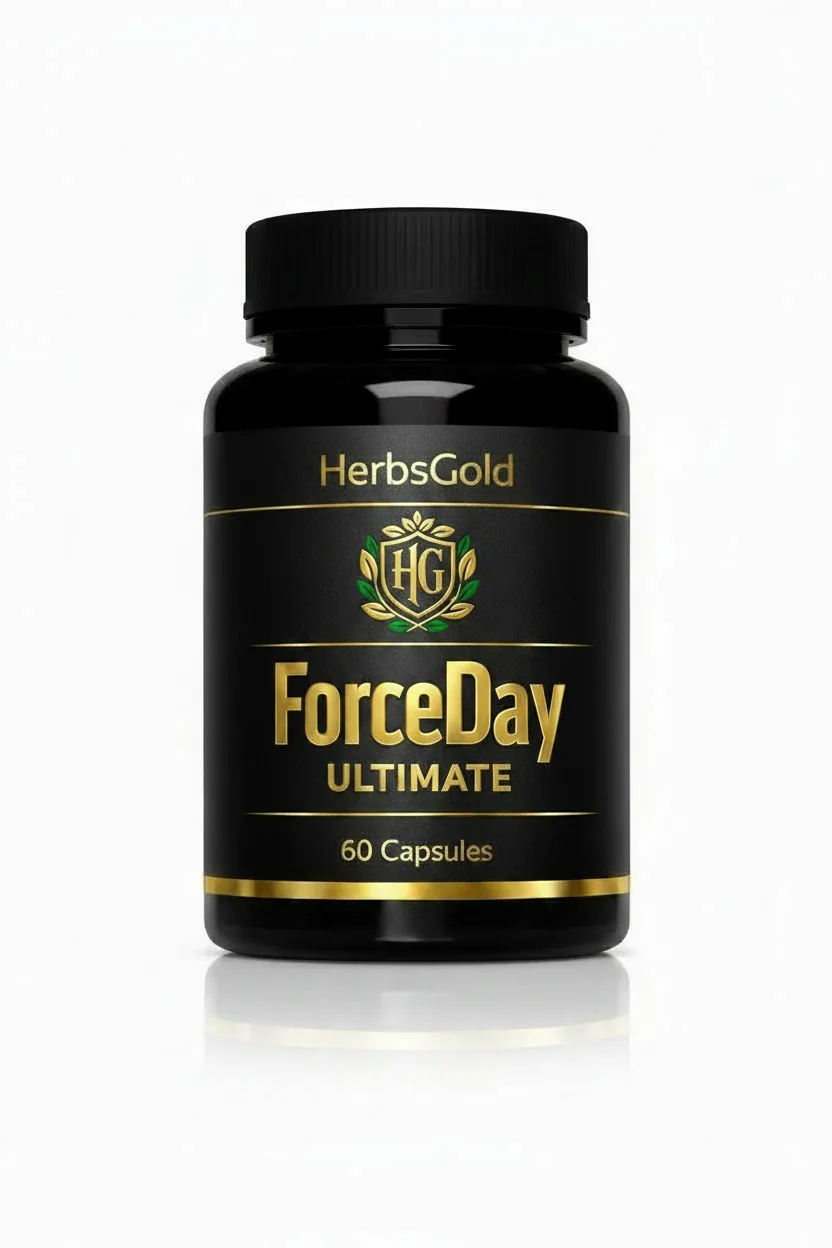
ForceDay contains 2.5 µg of vitamin B12 as methylcobalamin per recommended daily dose of 3 capsules. That is 100% of the daily reference intake.
Cyanocobalamin is a widely used form. It is stable and cheap to manufacture, which is why it appears in many multivitamins.
What this article does not compare
Nothing here claims one form is better than another. Such a statement would be a health claim, and no claim comparing the permitted forms of B12 is authorised in the European register.
The difference you can check for yourself is a different one: which form is on the label, and whether it is stated at all.
What to look for on a label
- the micrograms (µg) for the recommended daily dose
- the percentage of the daily reference intake (NRV)
- the form in brackets — cyanocobalamin, methylcobalamin, hydroxocobalamin, adenosylcobalamin
- whether the form is given at all
If the form is missing, you know the quantity but not the source.
What the form does not say
Composition describes what is in the pack. It is not a statement of effect — food supplements do not treat or prevent disease; they complement a varied diet rather than replacing it.