
Ingredient reference
What each ingredient in our formulas is, which part of the plant is used, what marker it is standardised against, and how many milligrams of active that works out to.
3 de septiembre de 2026
This page answers the question that occurs to you in front of an ingredient table: what does the number next to the name mean.
It is in two parts, because the law treats them differently. For vitamins and minerals, EU regulation has authorised specific statements, and those are quoted here as written. For plant extracts there is not one authorised statement — so there you will find composition, origin and milligrams, but no promise. The explanation of why sits at the end of each of those sections.
Vitamin D3 (cholecalciferol)
Vitamin D comes in two forms: D2 (ergocalciferol, from fungi) and D3 (cholecalciferol, usually from lanolin or lichen). D3 is the form we use.
The unit changes between labels — micrograms (mcg or µg) and international units (IU). The conversion is fixed: 1 mcg = 40 IU. So "1000 IU" and "25 mcg" are the same number written two ways, and a label using only IU looks larger without being larger.
In ForceDay: 30 mcg, which is 1200 IU and 600% of the daily reference intake.
The authorised claim: vitamin D contributes to the maintenance of normal muscle function, to the maintenance of normal bones, and to the normal function of the immune system.
Presente en:ForceDayPeak PerformanceD3 + K2 UltimateDefenceDay UltimateVitaDay Ultimate
Vitamin B6 (pyridoxine hydrochloride)
B6 exists in several forms; pyridoxine hydrochloride is the most commonly used and is the one on our label. The active form in the body is pyridoxal-5-phosphate (P5P), which some labels state separately.
In ForceDay: 4.8 mg, or 343% of the daily reference intake.
The authorised claim: vitamin B6 contributes to normal energy-yielding metabolism and to the reduction of tiredness and fatigue.
Presente en:ForceDaySlimNightBlack Maca Extra StrengthAquaBalance UltimateCalmNight UltimateMindDay UltimateSlimNight MAXVitaDay UltimateSlimDay MAX EnergySlimDay MAX Caffeine-Free
Vitamin B12 (methylcobalamin)
B12 is permitted in several chemical forms — cyanocobalamin, methylcobalamin, adenosylcobalamin, hydroxocobalamin. The micrograms on a label do not say which one is inside; the form is usually printed in brackets beside the name. Ours is methylcobalamin.
In ForceDay: 2.5 mcg, or 100% of the daily reference intake.
The authorised claim: vitamin B12 contributes to normal energy-yielding metabolism and to the reduction of tiredness and fatigue.
Magnesium
This is the number most often misread. Magnesium is taken as a compound — glycinate, citrate, oxide — and only part of the compound's weight is magnesium itself. That part is called elemental magnesium.
In ForceDay: 45 mg of magnesium glycinate. Glycinate is around 11% magnesium, so about 5 mg of elemental magnesium — 1.3% of the daily reference intake.
The difference between forms is large: magnesium oxide is around 60% magnesium by weight, glycinate around 11%. A label reading only "magnesium 400 mg", without saying whether the figure is the compound or the elemental mineral, does not allow a comparison.
The authorised claim for magnesium says that it contributes to a reduction of tiredness and fatigue, to normal muscle function and to the normal functioning of the nervous system.
It does not apply to our formulas, and that is worth explaining, because it is exactly why the NRV percentage on a label matters. Such a claim may only be made for a food that is a source of the nutrient — at least 15% of the daily reference intake per portion. ForceDay provides 1.3% magnesium, SlimNight 6%. Both are below the threshold.
The magnesium in these formulas is there for the composition, not to cover a daily intake. If you are looking for magnesium as a main ingredient, look for a label whose NRV percentage is in double digits.
Zinc
The same arithmetic as magnesium. Zinc citrate is around 30% zinc by weight.
In ForceDay: 12 mg of zinc citrate, so about 3.6 mg of elemental zinc — 36% of the daily reference intake.
The authorised claim: zinc contributes to normal protein synthesis and to normal DNA synthesis.
Presente en:ForceDayPeak PerformanceBlack Maca Extra StrengthCalmNight UltimateDefenceDay UltimateProstaGuard UltimateProbiotic UltimateGlowBeauty UltimateMetaDay Ultimate (Berberine)MetaDay Ultimate (Berberine-Free)VitaDay Ultimate
Coleus (Coleus forskohlii)
The root is used. The marker the extract is standardised against is forskolin, and the percentage refers to that specifically.
In ForceDay: 150 mg of extract standardised to 20% forskolin — 30 mg of forskolin per recommended daily intake.
On a label, look for the Latin name Coleus forskohlii (also seen as Plectranthus barbatus), that the root is the part used, the weight of the extract, and the forskolin percentage. Without the percentage, the weight alone does not let you compare two products.
What this does not say: the EU register holds no authorised health claim for coleus. This section therefore describes composition, not effect — neither we nor anyone else may lawfully connect this ingredient to an effect on the body.
Turmeric (Curcuma longa)
The rhizome is used. It is standardised to curcuminoids, a group of compounds of which curcumin is the best known.
In ForceDay: 114 mg of extract at 95% curcuminoids, so about 108 mg of curcuminoids.
This is exactly where the difference from the kitchen spice lies. Dried turmeric powder contains on the order of 2–5% curcuminoids; the concentrated extract is at 95%. So "turmeric 500 mg" on one label and "turmeric extract 114 mg, 95%" on another are not comparable until the active is worked out.
What this does not say: the EU register holds no authorised health claim for turmeric or curcumin.
Presente en:ForceDay
Black pepper (Piper nigrum)
The fruit is used. The marker is piperine.
In ForceDay: 12 mg of extract at 95% piperine, so about 11.4 mg of piperine.
Black pepper appears in many formulas in very small amounts, and that is deliberate — it is not there for its own contribution but as an auxiliary ingredient. The exact figure is worth having on the label, because piperine has known interactions with medicines; if you take medication, this is the ingredient to ask a doctor about.
What this does not say: the EU register holds no authorised health claim for piperine.
Presente en:ForceDaySlimDaySlimNightAquaBalance UltimateCalmNight UltimateCurcumin UltimateEssentials AshwagandhaFlexDay UltimateMindDay UltimateSlimNight MAXSlimDay MAX EnergySlimDay MAX Caffeine-Free
Ashwagandha (Withania somnifera)
Standardised to withanolides. In ForceDay: 150 mg of extract at 10% withanolides — 15 mg of withanolides.
The point with ashwagandha is that weight alone misleads: 150 mg at 10% and 300 mg at 5% deliver the same amount of active.
In detail, with the arithmetic for all our products: see the article "Ashwagandha: withanolides are the number that matters".
Tribulus (Tribulus terrestris)
Standardised to saponins. In ForceDay: 380 mg of extract at 95% saponins — 361 mg of saponins.
Market grades vary widely, and at the same label weight the difference in milligrams is several-fold.
In detail: see the article "Tribulus: what '95% saponins' stands for".
Maca (Lepidium meyenii)
The root is used. Maca is described by a ratio, not a percentage: "100:1" says how much raw material went in to produce one part of extract.
In ForceDay: 300 mg of 100:1 extract.
A ratio and a percentage are two different numbers and are not compared with each other — that is the most common mistake in reading such a label.
In detail: see the article "Maca 100:1: what an extract ratio actually means".
White kidney bean (Phaseolus vulgaris)
Standardised to phaseolamin, a protein fraction isolated from the bean.
In SlimDay: 115 mg of extract at 20% phaseolamin, so 23 mg of phaseolamin.
White kidney bean extracts are sold across a wide range of standardisation. Ours is 20%. At the same label weight and a different percentage the content differs several-fold, so the percentage here is not a detail — it is the comparison, and without it two packs are not comparable.
In detail: see the article "Phaseolamin: what the '20%' on white kidney bean means".
CLA — conjugated linoleic acid
CLA is made from vegetable oil and is never pure. The percentage says what share of the oil is the acid itself.
- SlimDay — 40 mg at 60% → 24 mg of CLA
- SlimNight — 250 mg at 60% → 150 mg of CLA
A label reading "CLA 1000 mg" with no percentage gives the weight of the oil, not of the acid.
In detail: see the article "CLA: what the '60%' on the label refers to".
Reishi (Ganoderma lucidum)
With mushrooms, one name covers two different raw materials: fruiting body and mycelium. Which of them was used changes what a polysaccharide percentage on the label means.
SlimNight uses a fruiting-body extract, and the composition says so — that is the distinction worth checking on any mushroom label.
In detail: see the article Reishi: fruiting body or mycelium.
L-tyrosine
An amino acid. Unlike plant extracts there is no standardisation percentage here — amino acids are dosed directly, and the number on the label is the substance itself.
In ForceDay: 70 mg.
What labels rarely print is purity. For amino acids it is usually high, but where it is declared it is the second figure that makes two products comparable.
What this does not say: the EU register holds no authorised health claim for L-tyrosine.
Presente en:ForceDaySlimDaySlimDay MAX EnergySlimDay MAX Caffeine-Free
Acetyl-L-carnitine
An amino-acid derivative. The acetylated form is named separately from plain L-carnitine because they are two different compounds — a label reading only "carnitine" does not say which is inside.
In ForceDay: 50 mg.
What this does not say: the EU register holds no authorised health claim for carnitine in any of its forms.
Presente en:ForceDaySlimDaySlimDay MAX Energy
L-citrulline DL-malate
A compound of two parts — citrulline and malic acid — and therefore described by a ratio rather than a percentage.
In ForceDay: 150 mg at a 2:1 ratio, two parts citrulline to one part malate.
The ratio is needed for the same reason a percentage is needed on an extract: without it the weight does not say how much citrulline there is. "Citrulline malate 1000 mg" at 1:1 and at 2:1 are two different things.
What this does not say: the EU register holds no authorised health claim for citrulline.
Presente en:ForceDay
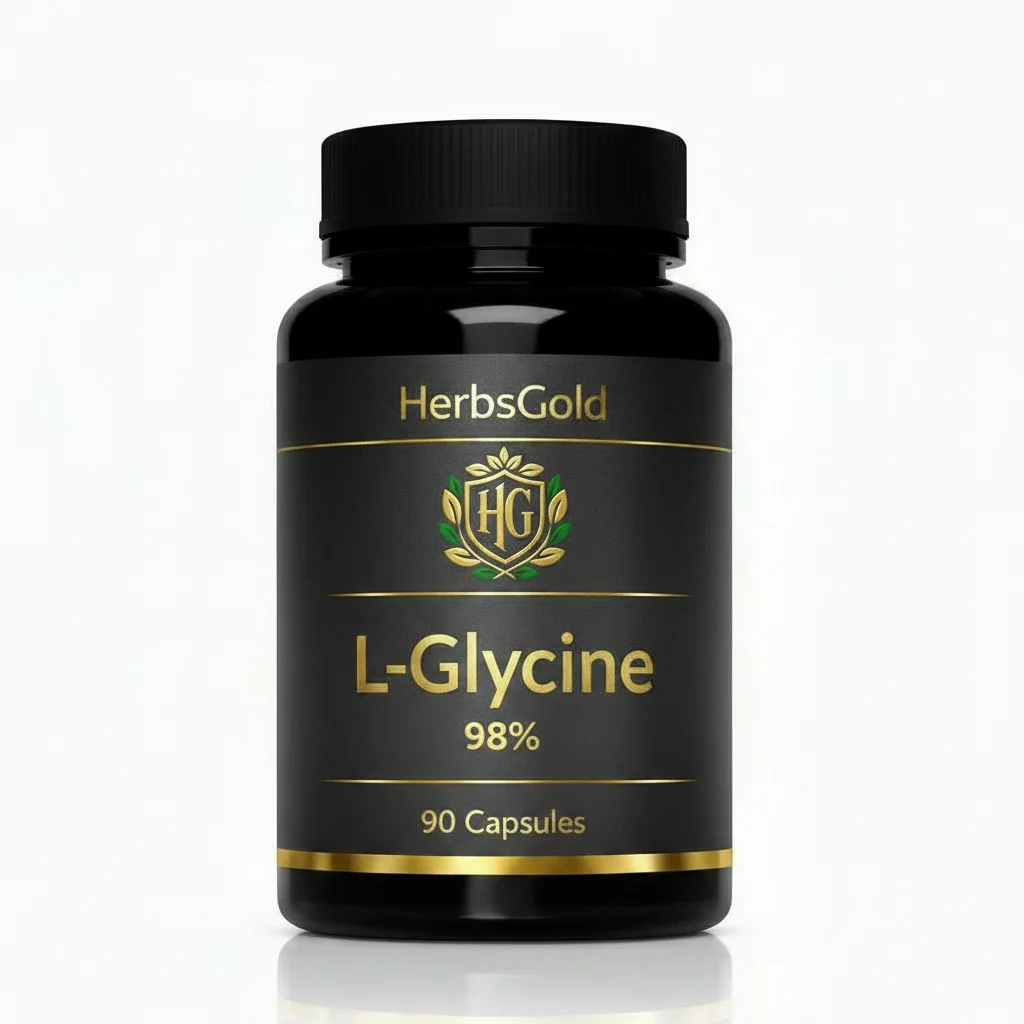
L-glycine
The simplest amino acid. The dose is easy to see on a label; the purity is rarely declared, and it is the second figure saying how much of the stated weight is the amino acid itself.
In Essentials L-Glycine: 2000 mg per daily dose of 4 capsules, at 98% purity.
In detail: see the article "L-glycine: purity is the second number after the dose".
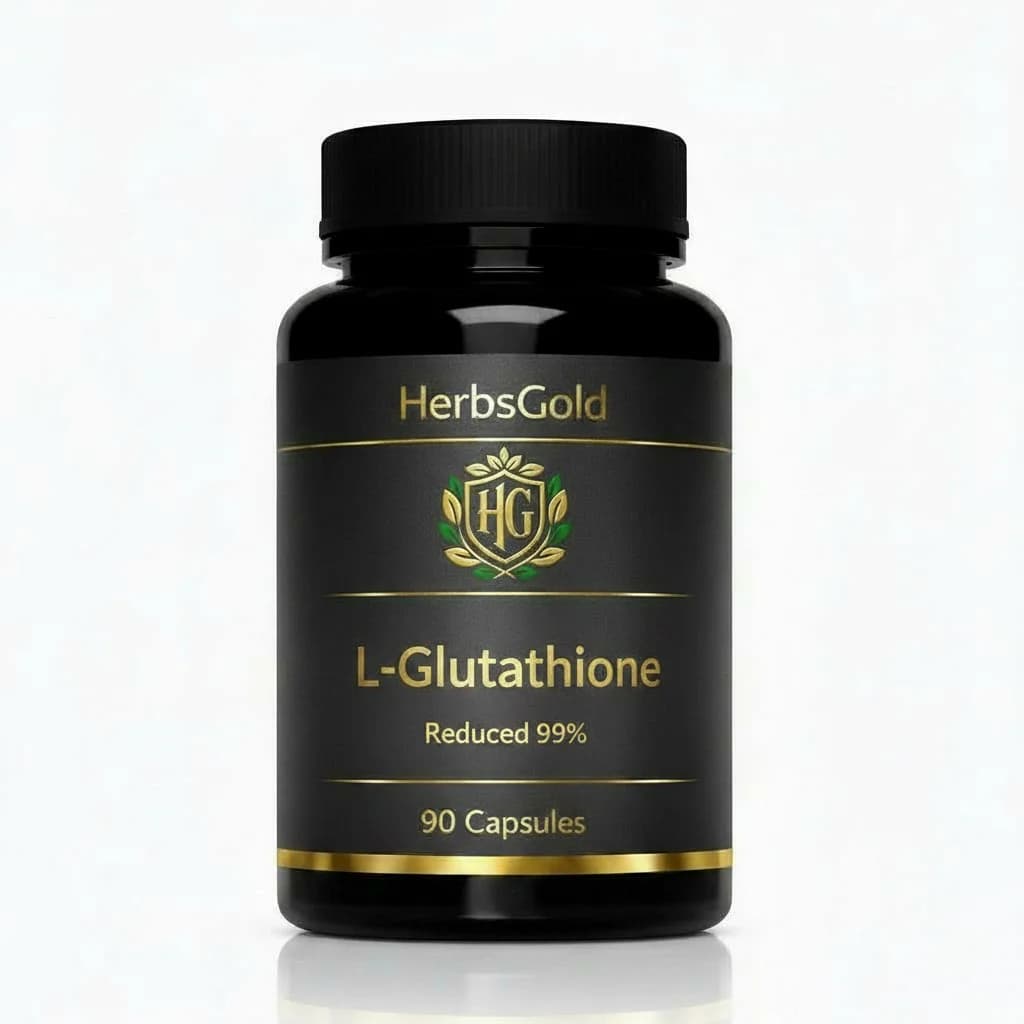
L-glutathione
It exists in two forms and the label usually says which — "reduced" is part of the name, not decoration. Together with a purity percentage those are the two figures that make two packs comparable.
In Essentials L-Glutathione: 500 mg of reduced glutathione per capsule, at 99% purity.
In detail: see the article "L-glutathione: 'reduced' is part of the name".
Caffeine
Caffeine rarely sits in one place in a formula, and SlimDay is a good example of why that matters.
On the label it is declared only through guarana: 16 mg of extract standardised to 10% caffeine — so 1.6 mg.
But the green tea (110 mg) is standardised to EGCG, and the green coffee (50 mg) to chlorogenic acid. Both extracts naturally carry caffeine, but the amount is not declared, because the percentage on the label refers to a different compound. That is why the pack says "contains caffeine" without being able to say how much.
This is the ordinary case with formulas like this, not an exception. If you are comparing two products on caffeine, add up only the declared amounts and assume the real figure is higher — and if you are caffeine-sensitive, treat any green tea, green coffee, guarana or maté extract as a source regardless of what its percentage refers to.
SlimNight is the opposite case: its green tea is decaffeinated and says so.
In detail: see the article "Caffeine in supplements: where it comes from and how to add it up".
Green tea (Camellia sinensis)
Standardised to EGCG — epigallocatechin gallate, the main catechin in the leaf.
- SlimDay — 110 mg of extract at 50% EGCG → 55 mg of EGCG
- SlimNight — 100 mg of decaffeinated extract at 50% EGCG → 50 mg of EGCG
The difference between the two is not the EGCG but the caffeine: the evening formula uses a decaffeinated extract and says so in the composition. When a label reads simply "green tea extract" with no qualifier, assume it contains caffeine.
What this does not say: the EU register holds no authorised health claim for green tea or EGCG.
Presente en:SlimDaySlimNightSlimNight MAXSlimDay MAX EnergySlimDay MAX Caffeine-Free
Green coffee (Coffea arabica)
Unroasted beans. Standardised to chlorogenic acid — roasting breaks it down, which is why the extract is made from green beans.
In SlimDay: 50 mg of extract at 50% chlorogenic acid → 25 mg.
The percentage refers to chlorogenic acid, not to caffeine. Green coffee contains caffeine too, but this label does not show how much.
What this does not say: the EU register holds no authorised health claim for green coffee or chlorogenic acid.
Presente en:SlimDay
Guarana (Paullinia cupana)
Seeds of an Amazonian plant. Unlike most extracts here, the percentage refers to caffeine itself.
In SlimDay: 16 mg of extract at 10% caffeine → 1.6 mg of caffeine.
That is a small amount — an espresso is around 60–80 mg by comparison. The guarana in this formula is not the main caffeine source; it is the only one measurable from the label.
What this does not say: the EU register holds no authorised health claim for guarana.
Presente en:SlimDay
Rhodiola (Rhodiola rosea)
The root. Dual-standardised — to rosavins and to salidroside, which is the convention for this herb and more informative than a single percentage.
In SlimDay: 40 mg of extract at 3% rosavins and 1% salidroside → 1.2 mg of rosavins and 0.4 mg of salidroside.
The 3:1 ratio between the two is the traditional one for rhodiola and is worth looking for: an extract declaring only one of them gives you half the information.
What this does not say: the EU register holds no authorised health claim for rhodiola.
Presente en:SlimDayMindDay UltimateSlimDay MAX EnergySlimDay MAX Caffeine-Free
Fucoxanthin
A carotenoid from brown seaweed. Standardised to fucoxanthin itself.
In SlimDay: 30 mg of extract at 10% fucoxanthin → 3 mg.
The percentage matters especially here, because the market offers grades from 1% to 20% and the label weight alone says nothing.
What this does not say: the EU register holds no authorised health claim for fucoxanthin.
Presente en:SlimDaySlimDay MAX EnergySlimDay MAX Caffeine-Free
Raspberry ketones
In SlimDay: 60 mg of extract at 98% ketones → 58.8 mg.
One point that is rarely made: "raspberry ketones" in supplements are almost always synthesised rather than extracted from raspberries — extraction from the fruit is economically impossible at these quantities. That does not make them worse, but it explains why their price bears no relation to the price of raspberries.
What this does not say: the EU register holds no authorised health claim for raspberry ketones.
Presente en:SlimDay
Grains of paradise (Aframomum melegueta)
Seeds of a West African plant in the ginger family.
In SlimDay: 50 mg of a 10:1 extract — a ratio, not a percentage. 10:1 means 500 mg of raw material produced 50 mg of extract.
A ratio is not comparable with a percentage. If another label declares a percentage of shogaols (the marker for this plant), the two numbers cannot be set against each other without more information.
What this does not say: the EU register holds no authorised health claim for grains of paradise.
Presente en:SlimDaySlimDay MAX EnergySlimDay MAX Caffeine-Free
Dandelion (Taraxacum officinale)
The root. Standardised to taraxasterol.
In SlimDay: 30 mg of extract at 20% taraxasterol → 6 mg.
"GC" next to the percentage on a label means the content was measured by gas chromatography — a method of analysis, not a separate substance. It appears often and confuses people.
What this does not say: the EU register holds no authorised health claim for dandelion.
Presente en:SlimDayAquaBalance Ultimate
Silver birch (Betula pendula)
Leaf and bark. Standardised to flavonoids — a group of compounds rather than one substance.
In SlimDay: 50 mg of extract at 10% flavonoids → 5 mg.
Standardising "to flavonoids" is broader than standardising to a named compound, and that is normal for this plant; it simply means the marker is the group.
What this does not say: the EU register holds no authorised health claim for birch.
Presente en:SlimDayAquaBalance Ultimate
Passionflower (Passiflora incarnata)
The aerial parts. Also standardised to flavonoids.
In SlimNight: 50 mg of extract at 4% flavonoids → 2 mg.
What this does not say: the EU register holds no authorised health claim for passionflower.
Presente en:SlimNightSlimNight MAX
GABA (gamma-aminobutyric acid)
An amino acid. As with the others, there is no standardisation percentage — there is purity.
In SlimNight: 50 mg at 98% purity.
What this does not say: the EU register holds no authorised health claim for GABA.
Presente en:SlimNight
L-carnitine tartrate
A salt of carnitine with tartaric acid. It is a different compound from acetyl-L-carnitine — a label reading only "carnitine" does not say which of the two is inside.
- SlimDay — 50 mg
- SlimNight — 150 mg at 90%
Note that SlimNight declares a purity and SlimDay does not. Where it is declared, it is the second figure that makes two products comparable.
What this does not say: the EU register holds no authorised health claim for carnitine in any form.
Presente en:SlimDaySlimNightSlimNight MAXSlimDay MAX EnergySlimDay MAX Caffeine-Free
Alpha-lipoic acid
In SlimDay: 30 mg.
It exists in two mirror forms, R and S. Ordinary alpha-lipoic acid is an equal mixture of both; "R-ALA" on a label means only one of them. If the form is not stated, assume the mixture.
What this does not say: the EU register holds no authorised health claim for alpha-lipoic acid.
Presente en:SlimDayMetaDay Ultimate (Berberine)MetaDay Ultimate (Berberine-Free)SlimDay MAX EnergySlimDay MAX Caffeine-Free
What this page does not say
Standardisation describes composition. It is not a statement about effect and should not be read as one.
Food supplements do not treat or prevent disease, and they complement rather than replace a varied diet. Do not exceed the recommended daily intake. If you are pregnant, breastfeeding, taking medication or have a medical condition, consult a doctor before use.
Fuentes
- 1.EU Register of nutrition and health claims made on foods
- 2.Regulation (EU) No 432/2012 establishing a list of permitted health claims
- 3.Regulation (EC) No 1924/2006 on nutrition and health claims made on foods
- 4.Regulation (EU) No 1169/2011 on the provision of food information to consumers
- 5.EFSA Compendium of botanicals reported to contain naturally occurring substances of possible concern for human health
Productos relacionados
ForceDay
23,70 €
SlimDay
23,70 €
SlimNight
23,70 €
Slim Combo (SlimDay & SlimNight)
44,90 €
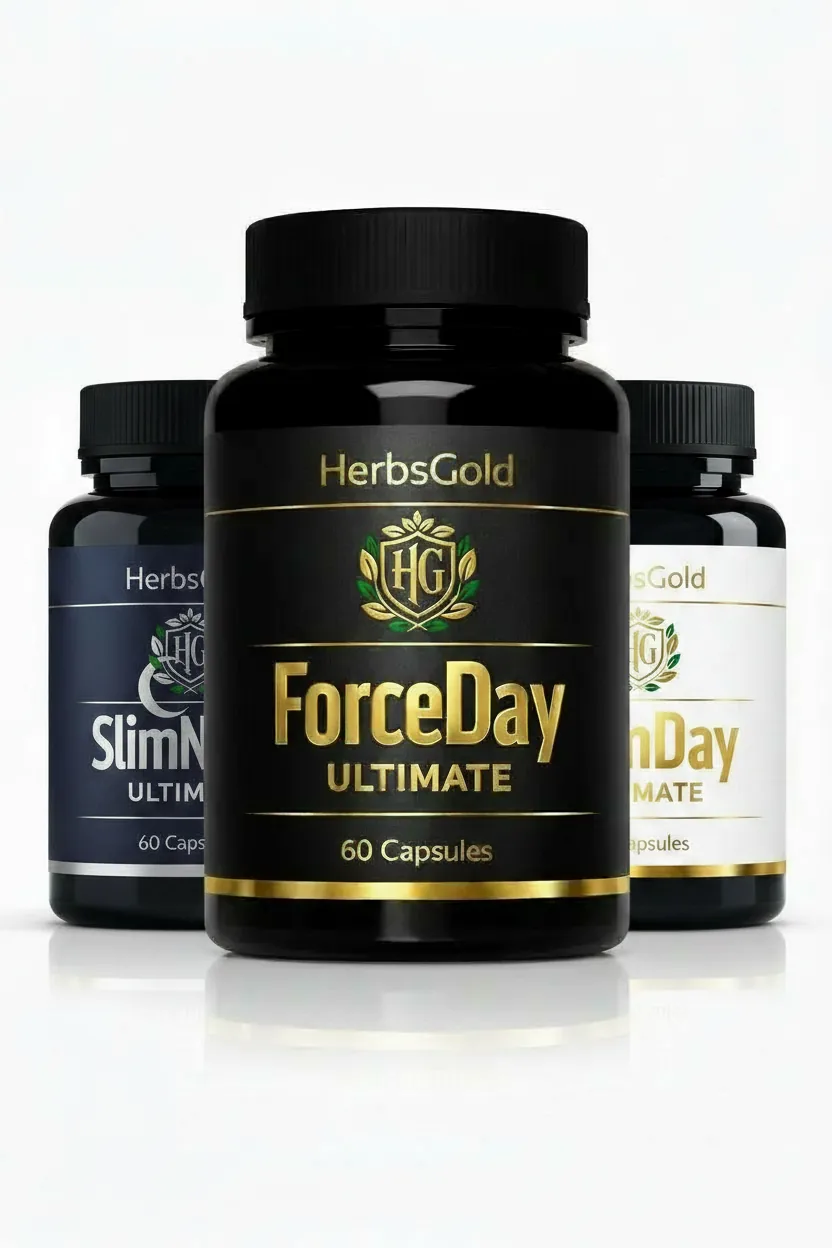
Herbs Combo (ForceDay, SlimDay, SlimNight)
67,90 €
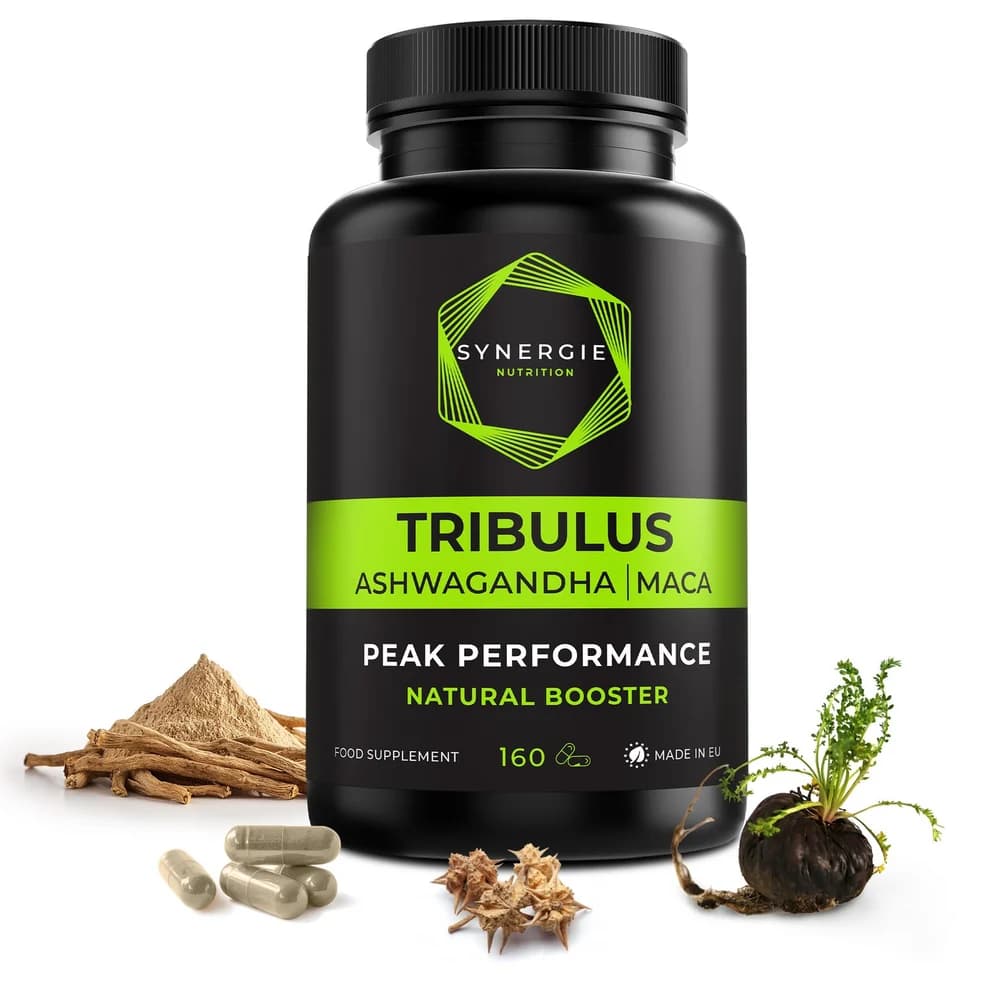
Peak Performance
18,00 €
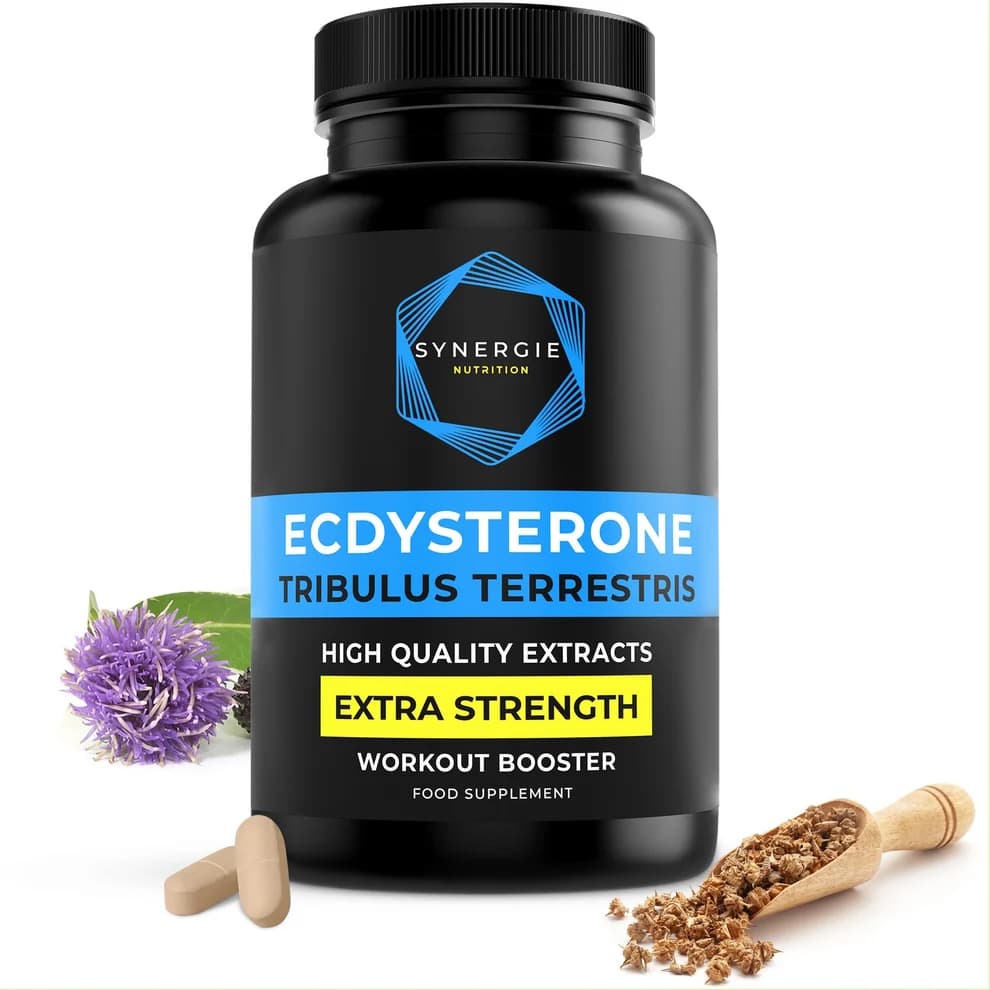
Ecdysterone + Tribulus Terrestris
18,00 €
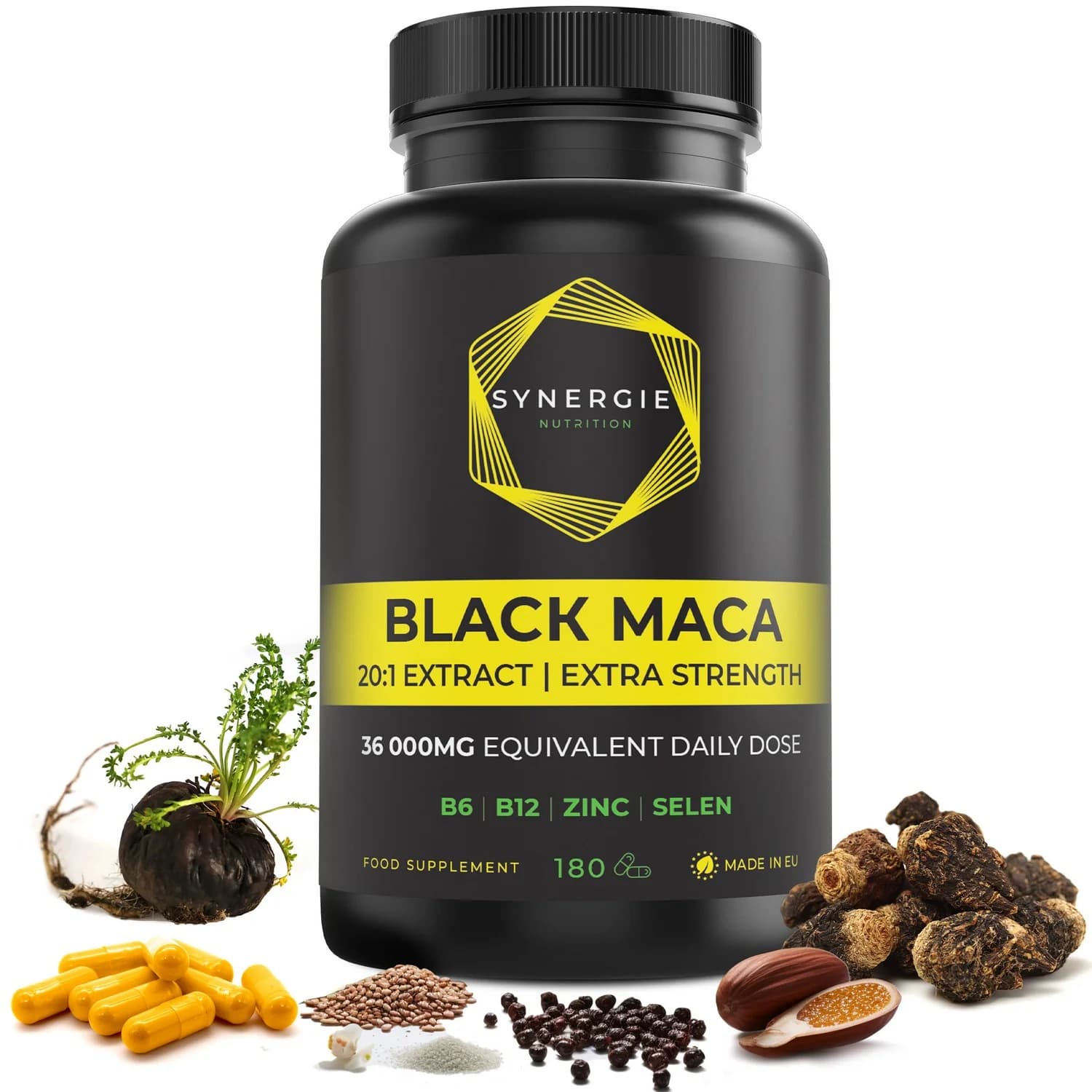
Black Maca Extra Strength
18,00 €
AquaBalance Ultimate
Próximamente
CalmNight Ultimate
Próximamente
Curcumin Ultimate
Próximamente
D3 + K2 Ultimate
Próximamente
DefenceDay Ultimate
Próximamente
Essentials Ashwagandha
Próximamente
Essentials CoQ10 Ubiquinol
Próximamente
Essentials Magnesium Bisglycinate
Próximamente
Essentials L-Theanine
Próximamente
Essentials Milk Thistle
Próximamente
Essentials Lions Mane
Próximamente
Essentials L-Glycine
Próximamente
Essentials L-Glutathione
Próximamente
FlexDay Ultimate
Próximamente
ProstaGuard Ultimate
Próximamente
Probiotic Ultimate
Próximamente
MindDay Ultimate
Próximamente
GlowBeauty Ultimate
Próximamente
MetaDay Ultimate (Berberine)
Próximamente
MetaDay Ultimate (Berberine-Free)
Próximamente
SlimNight MAX
Próximamente
VitaDay Ultimate
Próximamente
SlimDay MAX Energy
Próximamente
SlimDay MAX Caffeine-Free
Próximamente